
When your dog gets older: a more accessible home
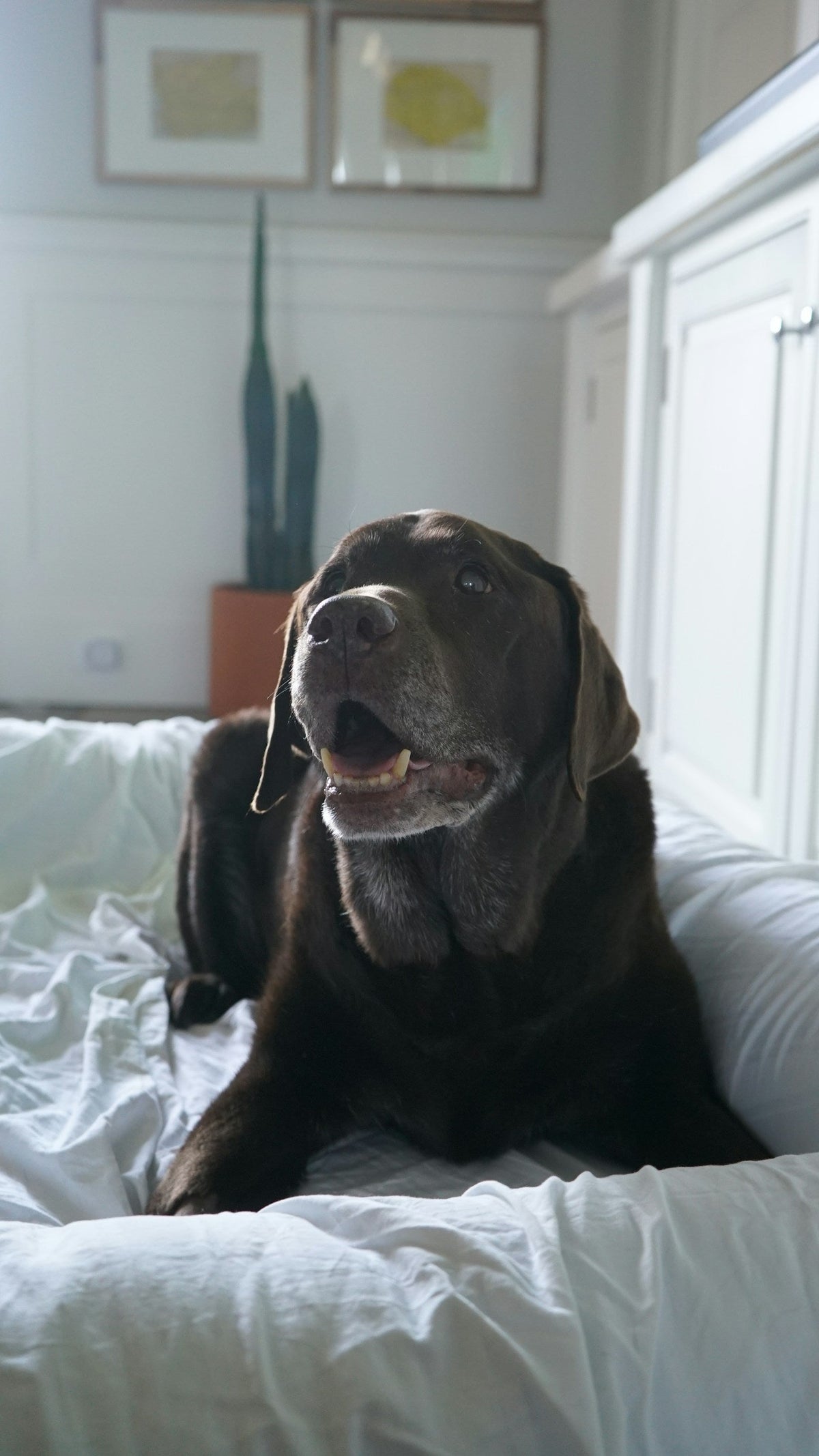
One day you notice that he waits before jumping onto the sofa, that he prefers a different bed, or that his walks have a different rhythm. Living with an aging dog invites you to pay attention to details that previously went unnoticed. The home can support this stage with simple changes designed with him in mind.
It is best to start without assuming everything is due to age. The RSPCA's guide for senior dogs warns that changes in activity, weight, or behavior may have a medical cause. It recommends veterinary check-ups and a comfortable, quiet place to rest.
Look at the morning from his height
Observe the path he takes between his bed, his water, and the exit. Is there a chair that narrows the passage? Does he have to cross a room full of people? Has the place where he used to rest become a play area? Drawing that little map helps you choose what to change first.
Removing an object in his path is usually easier than reorganizing the whole house. If you need to modify access or add a ramp, check which solution fits his mobility and how to introduce it. A support placed without stability can become a new obstacle.
Organize rest within the family
Choose an area where he can lie down without constant interruptions. Think about the cleanliness of the bed, the space to get in and out, and the ease of keeping the environment tidy. If he already has a corner he uses comfortably, use it as a starting point instead of moving him just for decorative reasons.
Talk to those who live in the house: where he is allowed to rest, how to inform guests, and who watches to see if the space is still working. A simple agreement, such as not placing bags on his bed, turns a good intention into a concrete habit that everyone can follow.
Describe what you see, without diagnosing him
A useful record can include the date, the situation, and the observed change. "He stopped in front of the step twice" informs better than "he is old." Also note if the routine or the environment was different that day. If possible to do so without bothering him, a short video of a habitual movement can help explain it during a consultation.
Avoid trying supplements, painkillers, or exercises based on informal advice. The veterinarian can assess what he needs and what changes are appropriate. The family's role is to detect what is different and share clear information, without demanding that he repeat a movement that seems to bother him.
Preserve the moments he enjoys
Adapting does not mean filling every day with novelties. You can set aside some time to be close, offer an activity that he already finds pleasant, or choose a walk that he knows. Observe how he responds and allow him to finish early. Companionship also fits into quiet moments.
To start this week, review just one route and just one resting corner. Keep your observations for his next check-up, or consult sooner if a worrying change appears. Accompanying him at this stage consists of continuing to get to know him: he has different needs, but he is still him.