
A cat house: heights, shelters, and meaningful paths
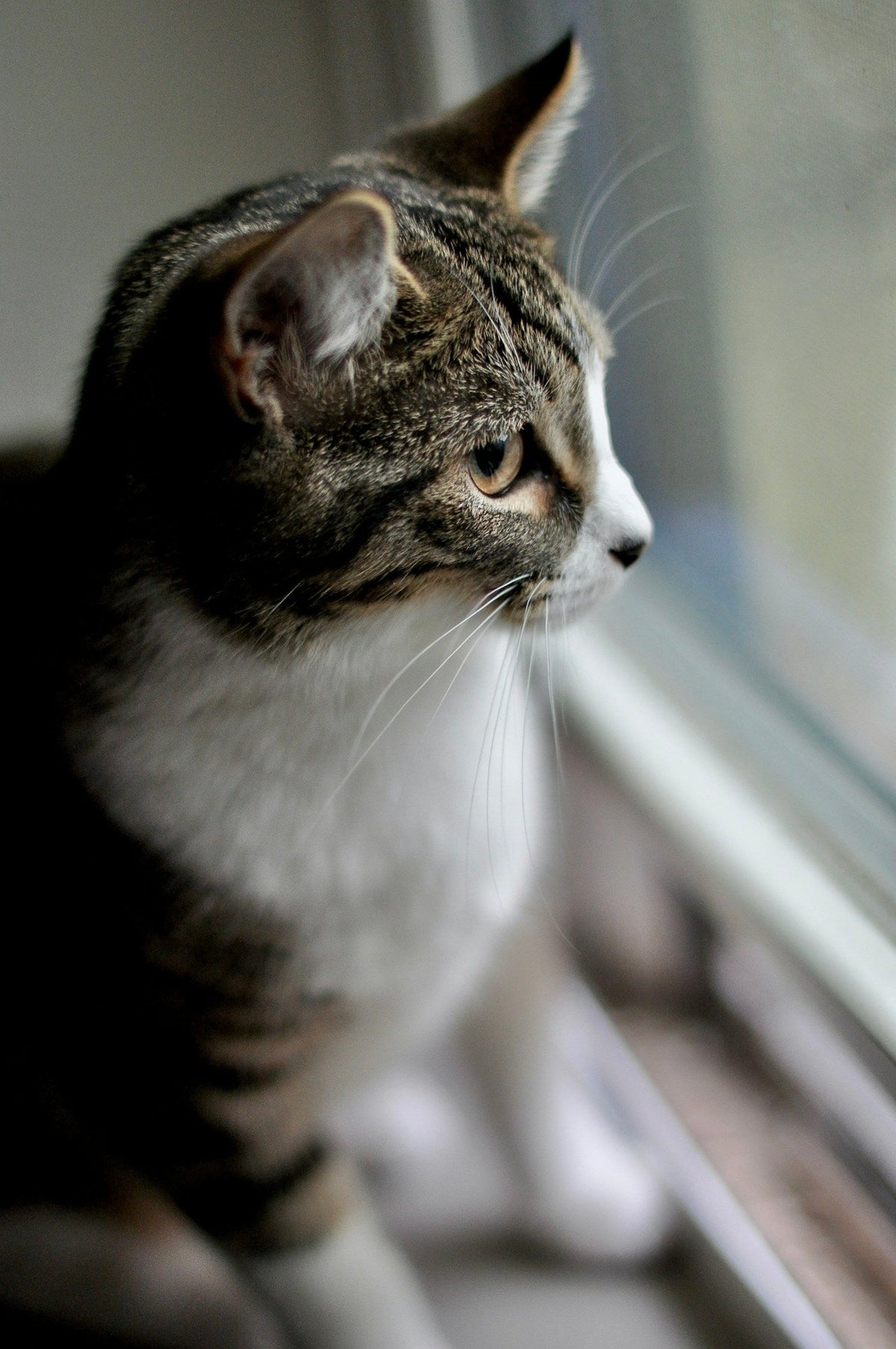
When we imagine a comfortable home, we usually think of the floor beneath our feet. A cat may look at the same room as a combination of heights, hiding spots, and vantage points. Preparing their space starts with recognizing which areas they use and which they avoid.
Cats Protection recommends offering indoor cats opportunities to climb, hide, scratch, and play. Their guide on the indoor cat environment helps to understand these needs. The idea is not to clutter the house with objects, but to expand the options available to your cat.
Map it out before buying modules
For a few days, note where they sleep, where they climb, and where they watch you from. Also, mark noisy spots and areas that remain closed at certain times. That map will help you avoid a common mistake: designing a beautiful route that ends at a door that is almost always closed.
Think about the way up and the way down. The distance between supports should be adjusted to their ability and may need changes over time. If they have mobility issues, seek veterinary guidance before planning jumps or heights. An accessible route is worth more than a spectacular wall they cannot take advantage of.
A refuge they can choose
Reserve an area where the cat can retreat without being taken out for interaction. It can be a shelter designed for animals or a simple and safe home solution. Observe if they prefer a wide entrance, a discreet corner, or staying close to where you are.
Talk as a family about how to respect that space. Children can be told that when the cat goes in there, they are choosing to take a break. Having that clear rule facilitates coexistence and avoids turning the refuge into another spot where they receive constant visitors.
The scratching post also has a location
Scratching is part of normal feline behavior. Cats Protection points out that the support must be stable and allow for stretching, and that some cats prefer horizontal surfaces. You will find these guidelines in their guide on scratching. See what posture they use before choosing a model just for its size or color.
Introduce changes gradually. If you put out a bed, a tower, and several modules all at once, it will be difficult to know what part they are interested in. Start with one improvement and observe. Keep the options they use while they decide what to do with the new one.
Check the assembly and real-world use
Platforms must be installed according to the instructions, with appropriate fixings for the wall and the load indicated by the manufacturer. Check the stability and condition of the support surfaces. A custom accessory still requires these checks.
After a few days, return to your map. What do they use? Can they retreat without necessarily crossing paths with another animal? Is there a piece of furniture blocking the way? Adjusting the space to those answers is a way of listening to them. Their favorite corner might be simple; the important thing is that they can make it their own.