
Halloween with dogs and cats: a safe night
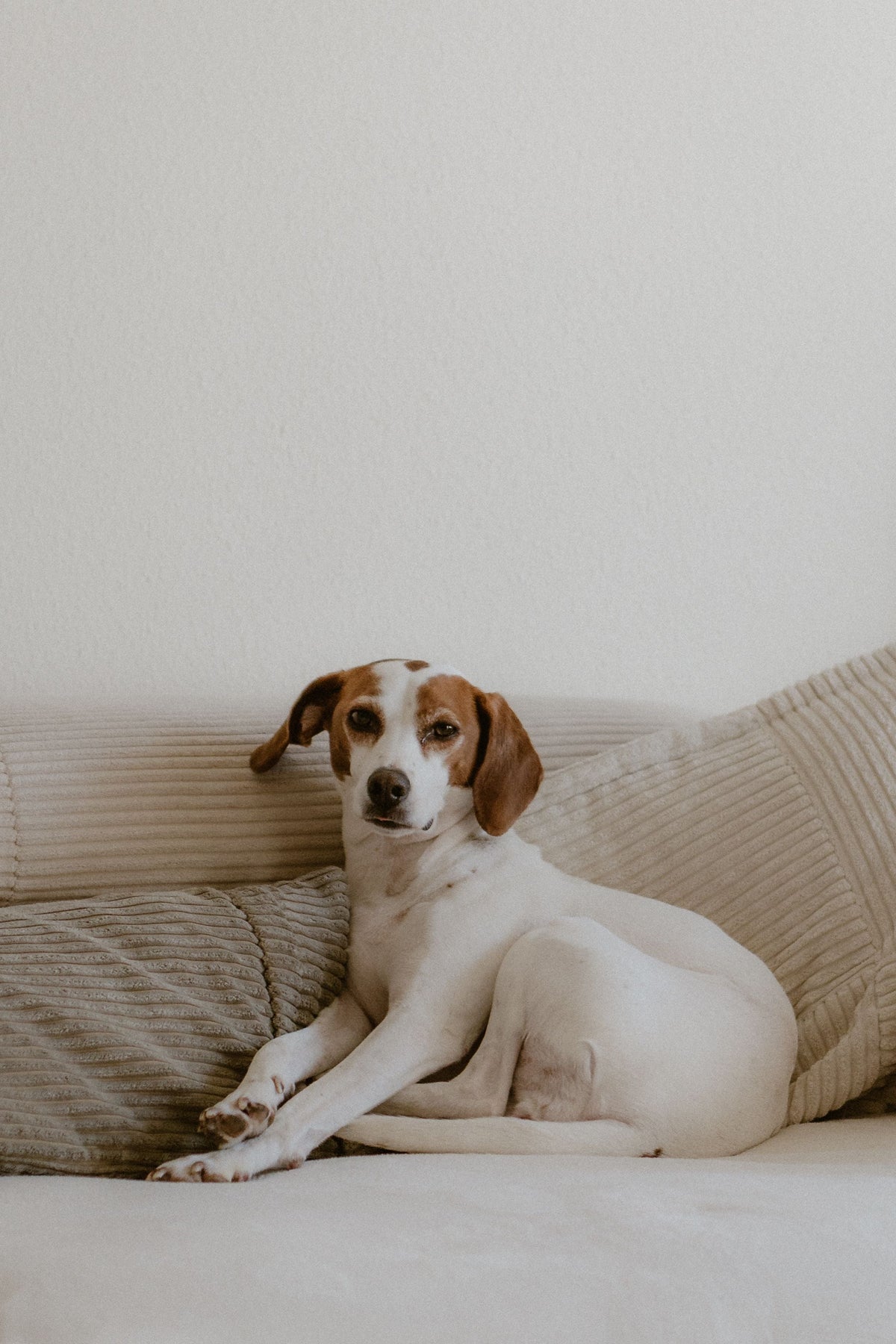
Halloween can fill the house with visitors, doorbells, and little surprises. For a dog or a cat, what we call a party can be an afternoon that is difficult to understand. Preparing for October 31st in advance allows you to organize a celebration where they also have space to rest.
Today, October 13th, we propose a simple check of your home. You don't need to turn them into the stars of a photo: you can start by asking yourself where they will be comfortable when guests arrive.
1. Prepare their corner before the party begins
Choose a quiet and familiar room, away from the entrance, with their usual resources and a known hiding spot. Introduce them to that space during normal days; improvising it when they are already scared is more difficult.
Explain to visitors that it is a place for rest: do not look for the animal or take them out to show them off. Cats Protection recommends providing a private retreat during Halloween.
2. Check the door and their identification
A door that opens many times deserves a small plan. Before answering it, check where your companion is and use a secure barrier in the hallway if you need to. Agree on who will open the door: that way everyone will know what to do when the doorbell rings.
Check that the contact information linked to their identification is up to date. The Halloween guide from the Chicago Veterinary Medical Association, with AVMA tips, reminds us of the importance of identification in the event of a possible escape. On walks, maintain a proper leash and choose a quiet route before the busiest hours.
3. Candy needs a cupboard, not a low table
Keep bags and bowls of treats out of their reach, even after the night is over. Check backpacks, pockets, and rooms where someone may have left their loot. A closed wrapper does not make the contents appropriate for a pet.
The ASPCA Animal Poison Control Center warns of the risk of sweets, especially when they contain chocolate or xylitol. If your dog or cat has eaten a sweet or you don't know what they have ingested, contact a veterinary professional as soon as possible and keep the packaging to inform them of the ingredients. Do not try home remedies or wait for signs to appear before seeking advice.
4. Decor that they can look at without reaching
Check the house from their height: remove small pieces, accessible cables, and hanging ribbons. Avoid flames near a paw or a tail and leave their usual paths clear.
The recommendations from Cats Protection highlight the risks of artificial cobwebs, cables, and candles. Simple decor can coexist better with their way of exploring.
5. Listen to how they are experiencing the night
If there is intense noise or fireworks in your area, keep doors and windows closed and prepare for rest before they start. A familiar background sound can help reduce the contrast, but it does not make the fear disappear. Do not punish them for being scared or force them to face the noise.
The RSPCA recommends planning ahead and asking for veterinary help if you are worried about their reaction. If they usually have a hard time, consult now, while there is still room to prepare an individual plan. Do not improvise medication or calming products on your own.
A pretty photo can be a photo without a costume
Cats Protection advises against dressing cats in costumes due to stress and the risk of them trying to get free. You can photograph them naturally in their corner: celebrating together also means respecting that they might prefer to sleep.
Your small checklist for October 31st
- A quiet, familiar space prepared in advance.
- Someone watching the entrance and updated identification contacts.
- Candy, cables, candles, and small pieces out of reach.
- A walk and rest routine adapted to that day's activity.
- The vet's phone number at hand and a prior plan if there is already a fear of noise.
At Niebla’s House, we believe that care is also found in these small preparations. The best night is one where you can enjoy yourself knowing that your companion has a place where they feel supported, without having to participate in everything.
General information on wellness and prevention; it does not replace a veterinary assessment. Sources consulted on October 13, 2026. Actual photograph by Andreas Ebner on Pexels, used in accordance with the Pexels license.