
A customizable frame starts with a good fit
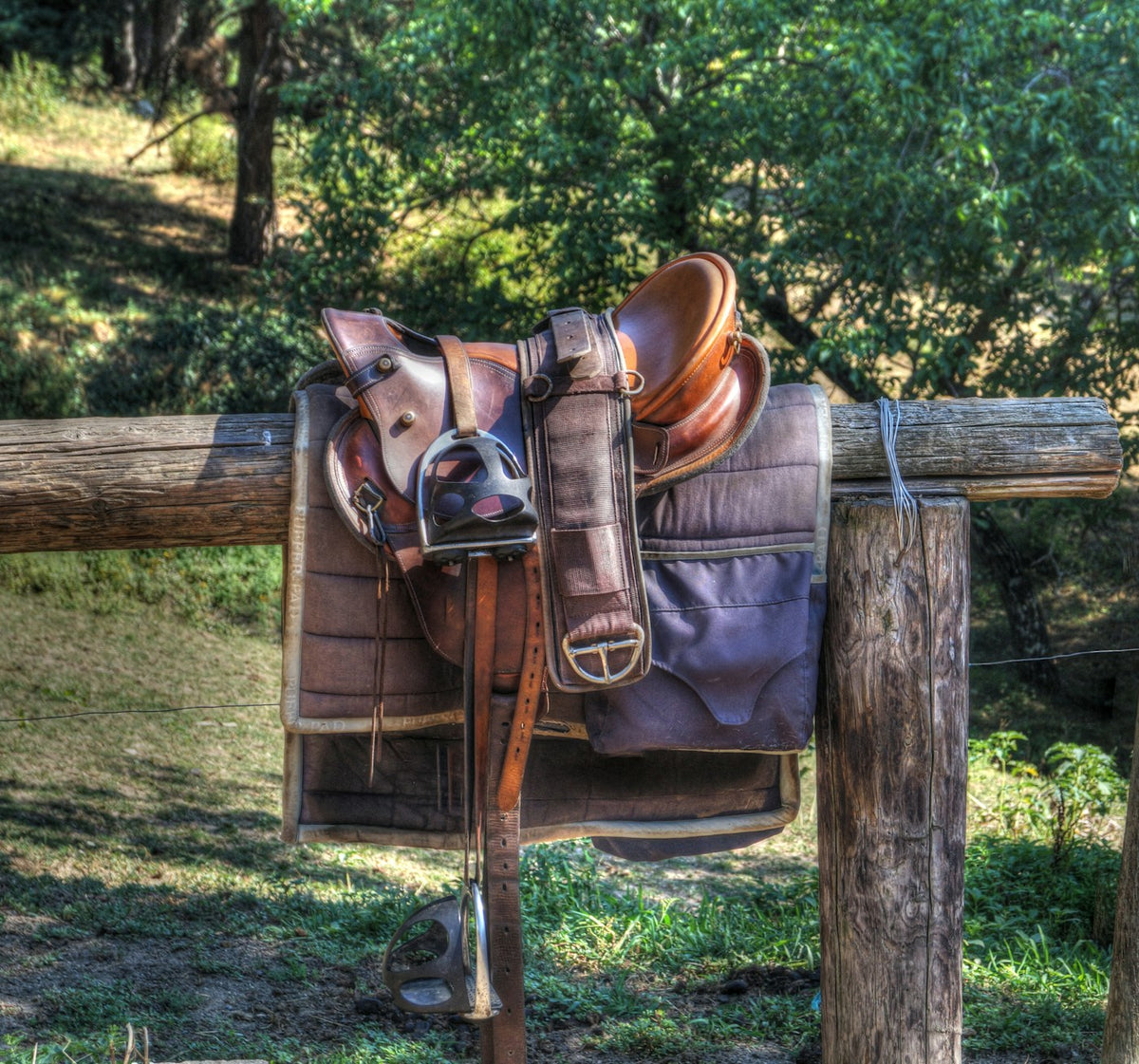
A saddle can come in the color you like, with special stitching or a finish that matches the rest of your gear. It is nice to choose those details. But when we talk about customization, the main question is whether the set fits the horse, the rider, and the intended use.
The British Horse Society explains regarding saddle fitting that a horse's shape changes with weight, physical condition, and muscle development. It also highlights the need for the equipment to be suitable for the rider and for professional checks to be carried out. A choice that worked at one time may need a later assessment.
Separate fit from appearance
Before comparing finishes, write down who the saddle will be for, what discipline or activity is practiced, and which professional will assess its fit. Then choose the aesthetic details the manufacturer allows. The word "bespoke" should be accompanied by a clear process, not limited to embroidery.
A photograph or a size chart can help start a conversation, but they do not replace an assessment of the set. Ask how the fitting is performed, what information the fitter needs, and what happens if they detect that the model is not appropriate. It is better to resolve this before confirming an irreversible customization.
Prepare a question sheet
Include materials, care instructions, replaceable parts, warranties, and available technical documentation. Add the name of the person who will carry out the assessment and how to contact them after delivery. If the product is made to order, ask for what has been agreed upon and what still depends on the fitting to be put in writing.
Also check the specific conditions applicable to personalized products. Do not assume that choosing a color means having a custom saddle made, nor that all components can be modified. A precise description prevents buying something different from what you had imagined.
Delivery does not end the process
Keep the invoice, reference number, fitting date, and instructions. Reserve a space to note revisions and relevant changes in the horse or the activity. Sharing that history with the professional helps to contextualize what you observe without relying solely on memory.
If you notice discomfort when saddling, a change in behavior, or have doubts about the saddle's support, stop using it and seek an assessment. Adding layers, tightening more, or changing parts at random can hide the problem without solving it. The BHS guide on correctly fitted tack offers more information on these checks.
Care you can maintain
Follow the manufacturer's instructions for cleaning, drying, and storing each material. Check seams, straps, and hardware, and set aside damaged equipment so that no one uses it by mistake. If several people share the stable, labeling the reference and keeping the documentation is especially useful.
In the end, good customization is recognized in well-explained decisions: what has been chosen, why, who has checked it, and how it will be cared for. The color can tell your story. The fit should allow that story to continue with the care that you both deserve.